

Extremities
Anything from your shoulder to hand, or your hip to your foot. We always assess how your entire arm or leg functions together rather than just the injury site alone to ensure we find the source of the issue. Having a stable spine and pelvis are also critical for maintaining proper mobility of your arms and legs.


Hip & Knee
Walking requires an obvious coordinated effort between your hips and knees, and your foot and ankle. Less obvious to some, efficient walking also requires coordination of your spine and upper body. Knee pain when walking frequently comes from dysfunctional movement of another part of your body, often your hip or ankle, but sometimes your shoulder or spine.
If the injury is acute or traumatic (including post-op), it is important to avoid creating a habit of guarding or ‘walking stiff’, where you don’t allow the rest of your body to move reciprocally. In this case the injury site must be treated as well.


Spine, TMJ, Women’s Health
Headaches, TMJ, Neck,
Back, Sciatica, Pelvic Floor
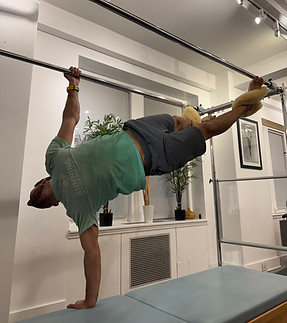
Sports Injuries
Running, Sport, Golf, Dance

Chronic Pain, Headaches,
Balance & Gait
Loss of Balance, Falls,
Gait Dysfunction, Posture