

Spine, TMJ, Women's Health
Injuries are often categorized and named on where pain is felt, this is even how insurance companies process claims. But in reality your entire spine is connected which means that restrictions at one level may affect movement at another - this is why we always assess and treat the entire spine especially when neck, jaw or back symptoms are involved.

Spine
The spine runs from your skull to your tailbone and is classically divided into sections based on normal curvature. Your cervical and lumbar spine (neck and low back) are curved in the same direction where your thoracic and sacrococcygeal (ribs and sacrum-tailbone) curve in the opposite direction. There are discs and nerve roots at every vertebrae - each bone segment that makes up the spine. The spine serves as a structural support system and an anchor for muscle attachments that allow you to move in every direction.


Neck & Cervical
Your neck is an essential part of everyday movement, and severe pain can prevent you from functioning normally. Neck pain can be debilitating and extremely uncomfortable, especially if it extends from your neck to your shoulders.
Neck pain commonly stems from frequent use of a smart phone or a computer typically with poor posture. Slouching your lower back also leads to a “forward head” position that causes overshortening of the muscles in the back of your neck and compression of the cervical vertebrae. This causes inefficiency that continues to cause more strain and loss of motion.
TMJ
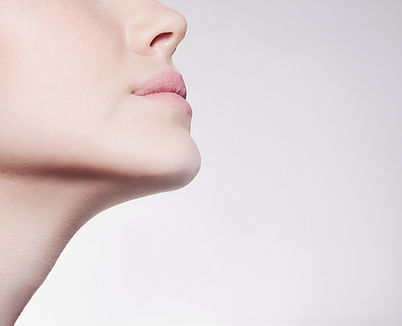
The temporomandibular joint (TMJ) is a complex structure consisting of bones, tendons, and muscles that can cause pain on one or both sides of your jaw. This can make opening your mouth, talking, yawning, and chewing difficult.
TMJ describes a dysfunction in the way your jaw joint aligns and moves, imbalances cause friction, pain, and stiffness in the joint and its associated muscles.

Women's Health
We work with both women and men’s pelvic floor dysfunctions. Pelvic floor dysfunction is common and can cause incontinence, pain, constipation, and lack of desire for intimacy with your partner. Fascial restrictions can occur anywhere in your body including reproductive organs. We are trained to use noninvasive techniques to find these restrictions using gentle pressure and improve pelvic floor function, menstrual pain, ovarian cysts, and fertility issues.

Injuries & High Performance
Running, Sports, Golf, Dance
Extremities
Shoulder, Elbow, Hip,
Knee, Foot & Ankle Pain

Chronic Pain, Headaches,
Balance & Gait
Loss of Balance, Falls,
Gait Dysfunction, Posture