

TMJ Dysfunction
The temporomandibular joint (TMJ) is a complex structure consisting of bones, tendons, and muscles that can cause pain on one or both sides of your jaw. This can make opening your mouth, talking, yawning, and chewing difficult.
TMJ describes a dysfunction in the way your jaw joint aligns and moves, imbalances cause friction, pain, and stiffness in the joint and its associated muscles.
Physical Therapy & TMJ
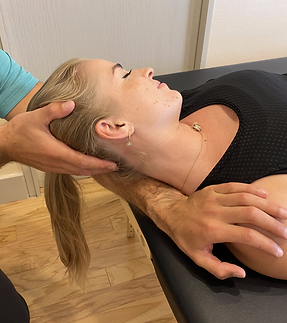
We will examine the jaw mobility and relieve muscle tension in the neck and head regions to regain your normal function and the interaction of your jaw muscles and joints. We also examine your neck, shoulders, and thoracic spine to determine whether those structures are causing your symptoms. Your recovery plan may include a variety of procedures such as jaw and tongue exercises, soft tissue massage, joint mobilization, myofascial techniques.
Dental splints can also be used by the jaw specialist to ensure proper tooth alignment and prevent dental grinding.
1
Causes and symptoms of TMJ disorder
A few common reasons that may cause TMJ include, frequent leaning your chin on your hand, misalignment of the teeth, arthritis, teeth grinding, or jaw trauma.
2
Symptoms of TMJ disorder include:
-
Jaw pain
-
Pain when eating or chewing
-
Jaw popping
-
Headaches
-
Sore jaw muscles
-
Pain in the temples
-
Earaches
3
Temporary Remedies
-
Hot or Cold packs: Heat relieves muscle tension, and cold reduces inflammation in the affected joint. Try 15 minutes of each, or switch back and forth every 5-10 minutes for a few cycles.
-
Night guards: these help with clenching and protect your teeth if you grind at night.
-
Mindfulness/Meditation: Take a moment to breathe and reduce stress
-
Postural Awareness: Become aware of your posture regularly throughout the day- if you tend to slouch or hold your shoulders up closer to your ears this creates unwanted tension that affects the jaw.
-
Diet: Overworked chewing muscles may need rest from chewing tough foods, change a meal or snack to softer foods to give them a break.
Neck Pain

Back Pain and Sciatica

Women’s Health